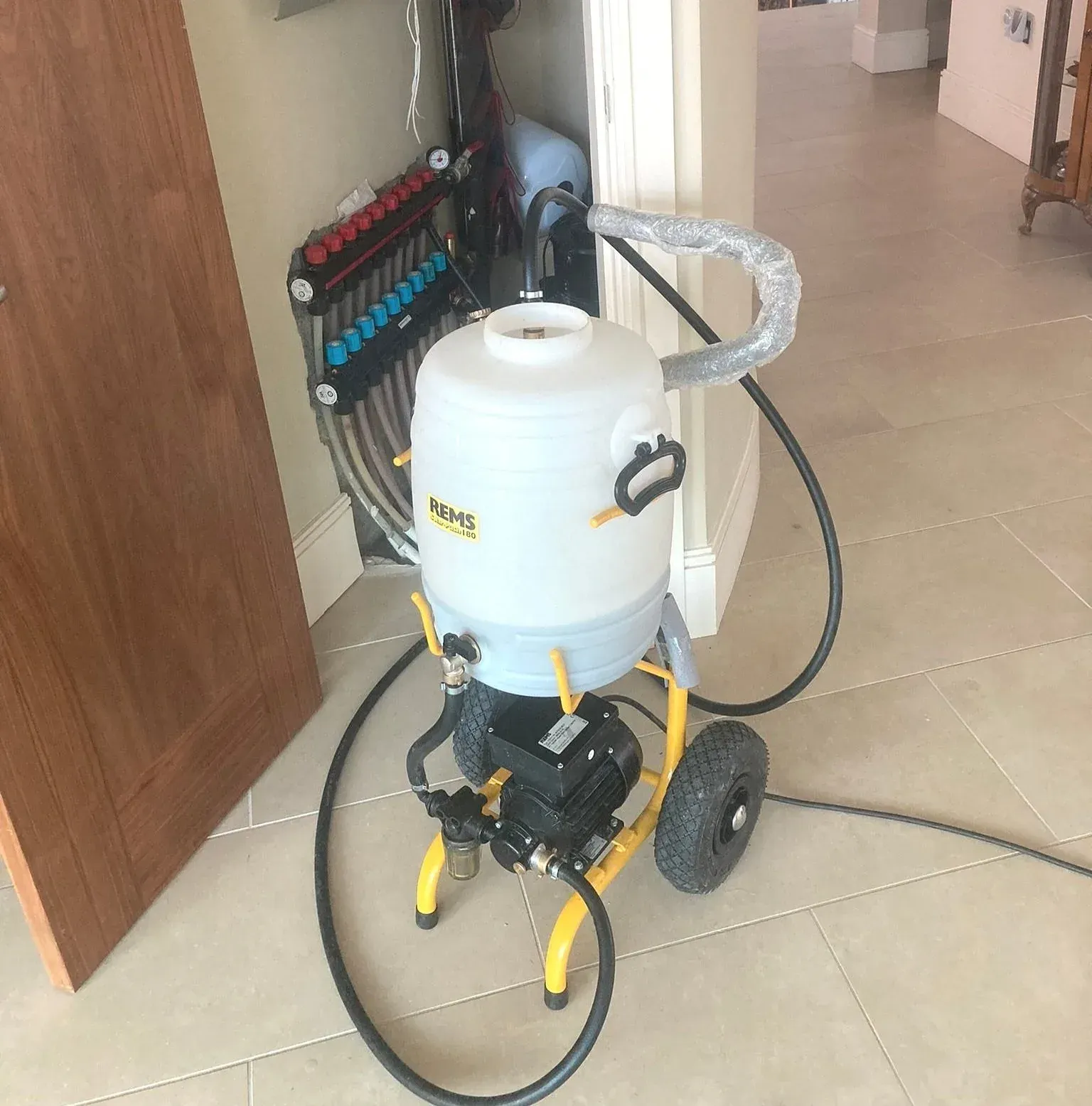
A heating bill that’s crept up without any change in how the house is used is usually the first sign something’s wrong inside the system. Sludge — a mix of rust and debris that builds up in pipework and radiators over time — restricts water flow and forces the boiler to work harder for the same result.
Here are the five most common signs it’s time for a power flush:
1. Radiators cold at the bottom, warm at the top. Sludge settles at the bottom of the radiator, blocking circulation to that section.
2. Some rooms never warm up. If certain radiators barely heat at all while others work fine, the blockage is likely more advanced in those parts of the system.
3. Banging or gurgling from the boiler. Trapped air and debris moving through partially blocked pipework often causes this noise.
4. Water runs black or discoloured when a radiator is bled. This is a direct sign of sludge in the system.
5. The boiler cuts out or short-cycles more than it used to. A boiler working against restricted flow can trip more frequently.
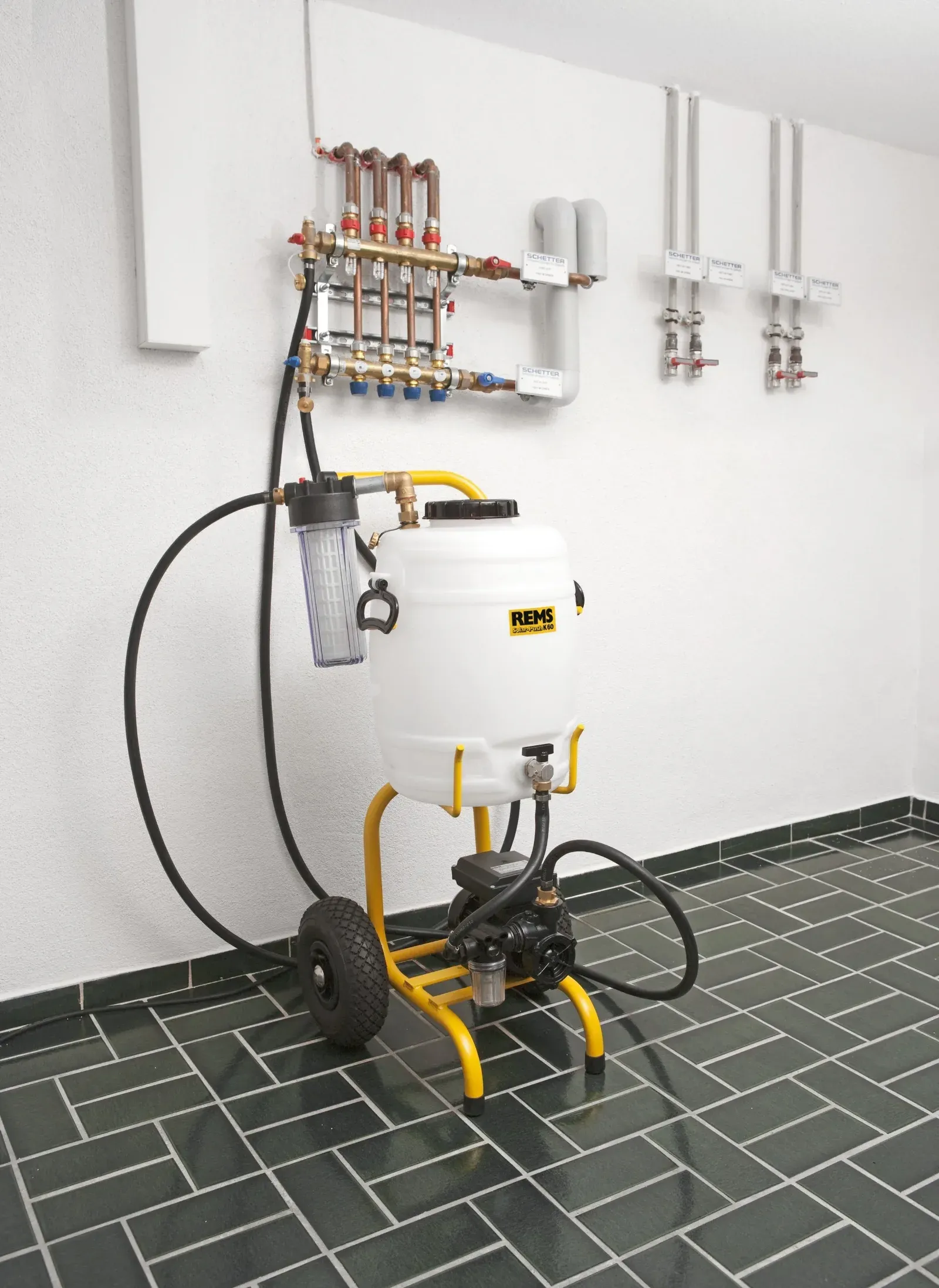
If two or more of these sound familiar, a power flush is worth considering. It typically takes a single day, restores even heat across the whole system, and reduces the strain on your boiler going forward.