
Commercial power flushing and heating services across Ireland
Restore heating performance, help reduce energy bills and avoid expensive breakdowns in hospitals, hotels, schools, offices and industrial sites nationwide.
Sectors we work in
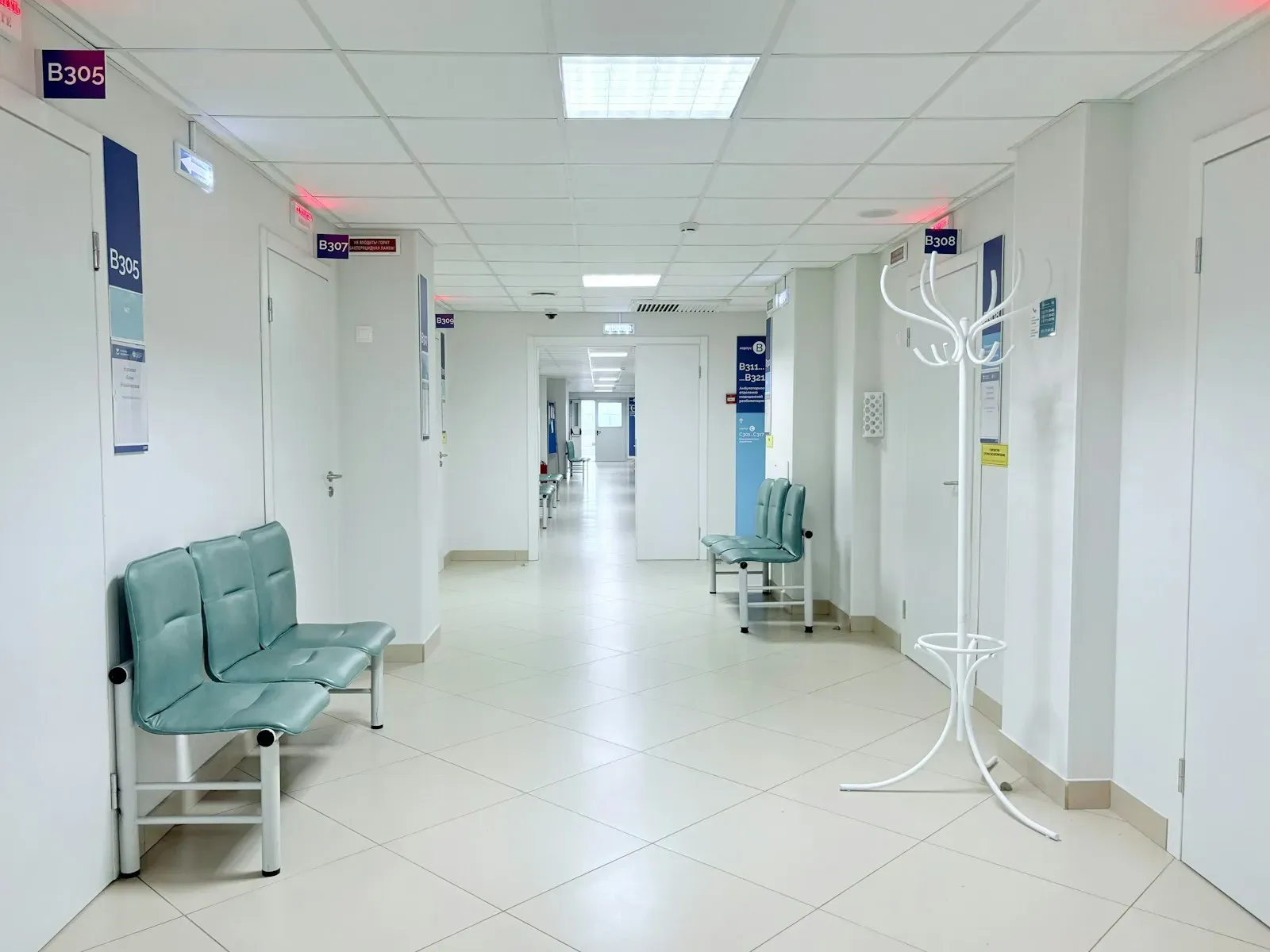

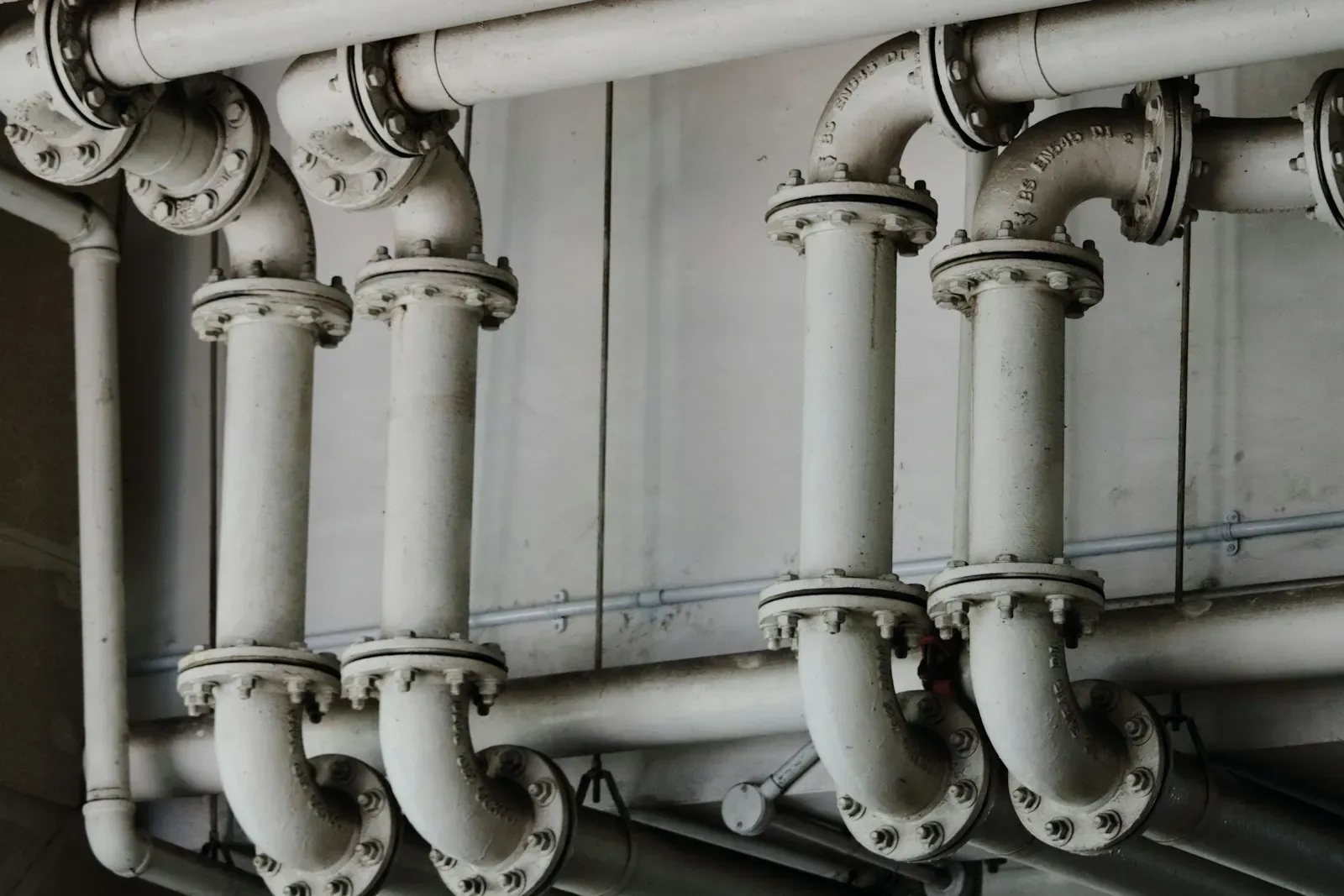
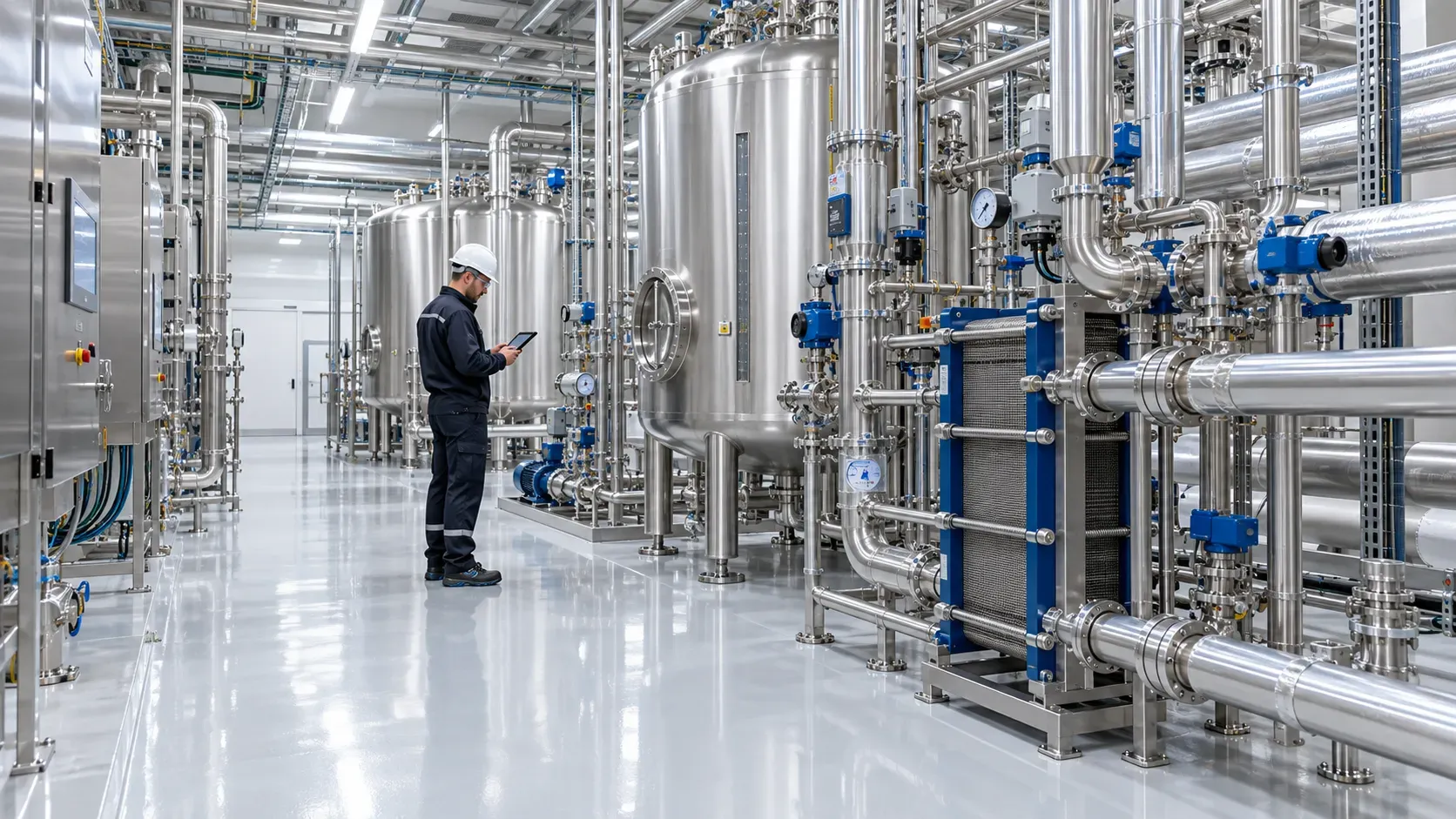
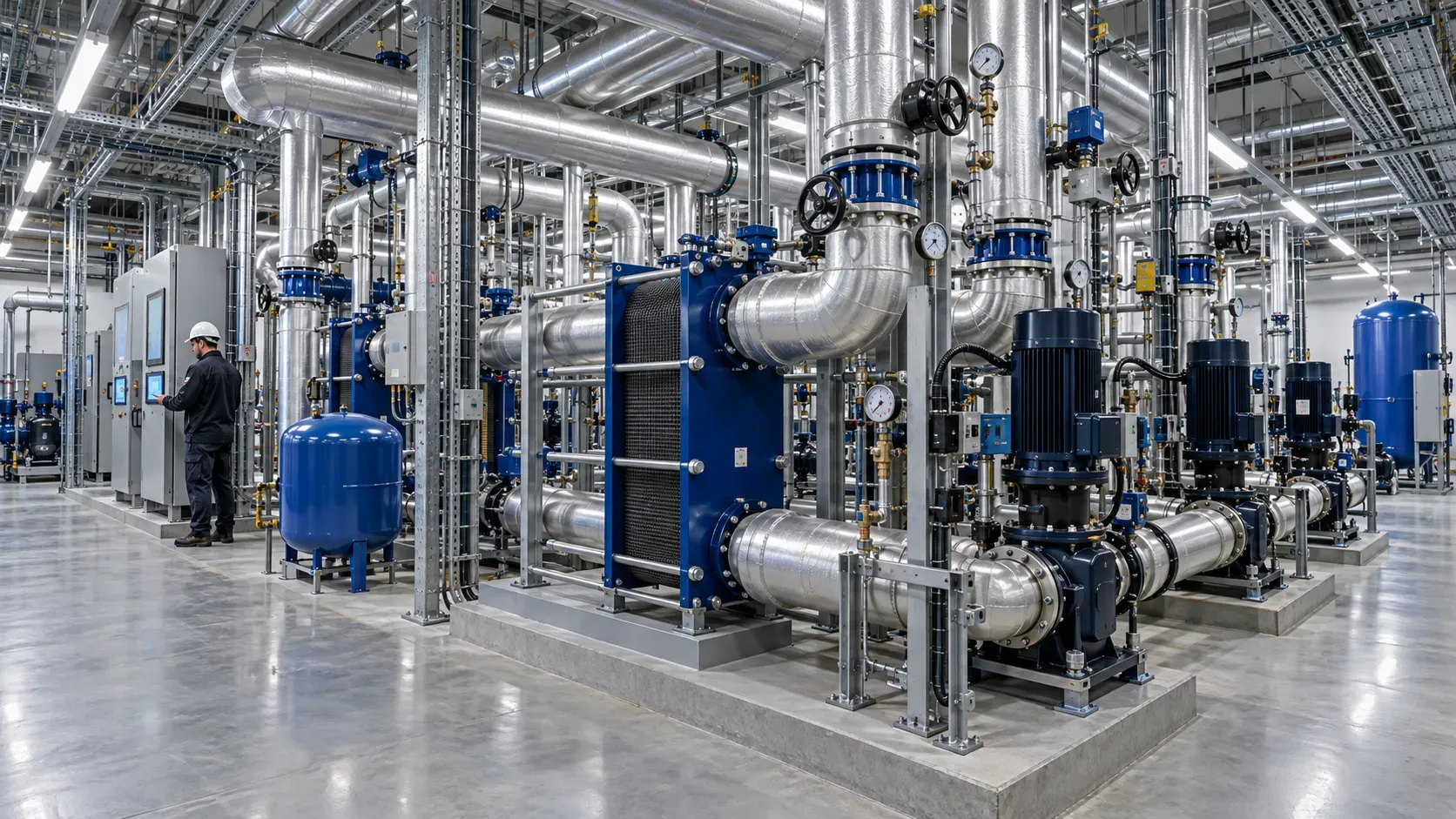
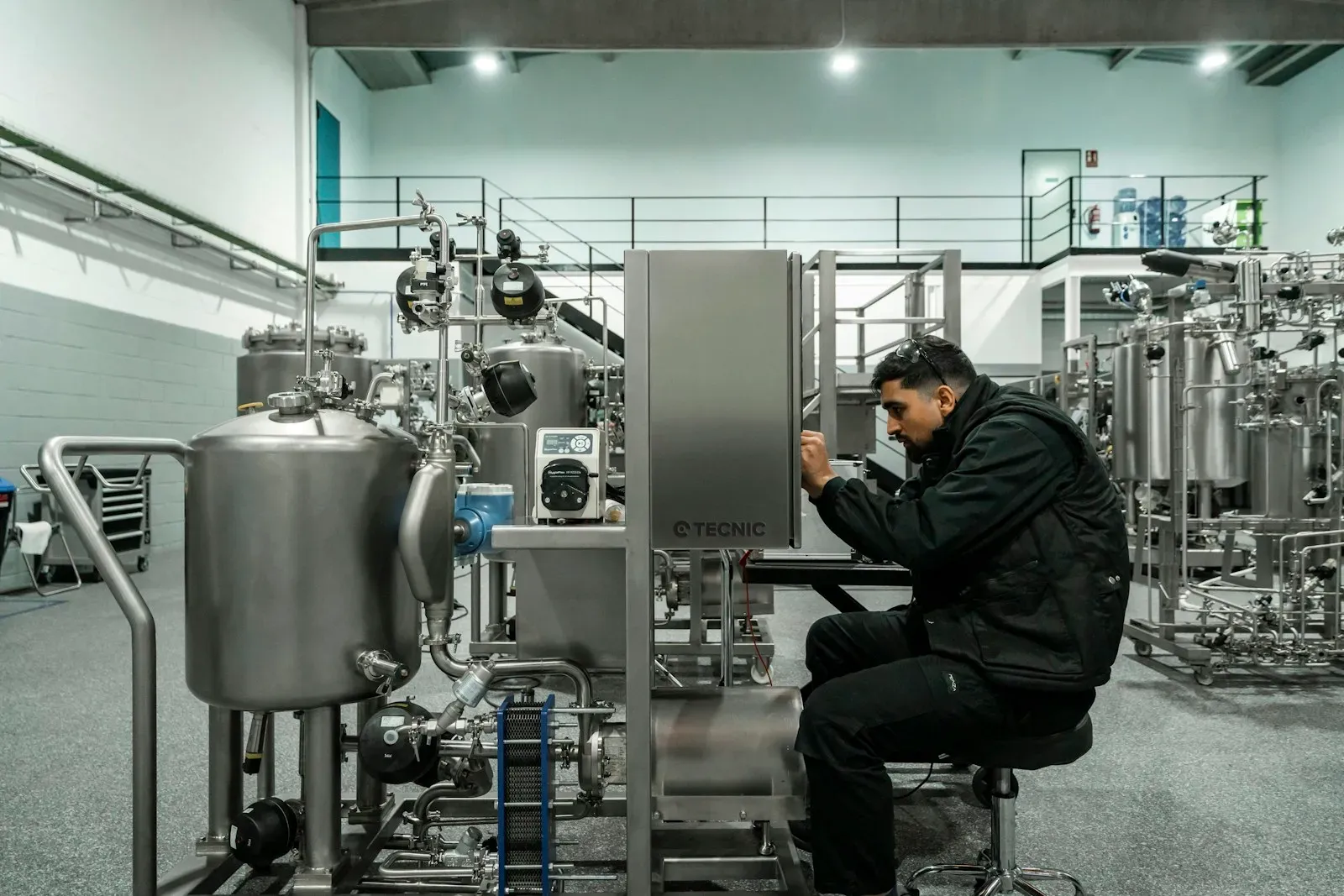
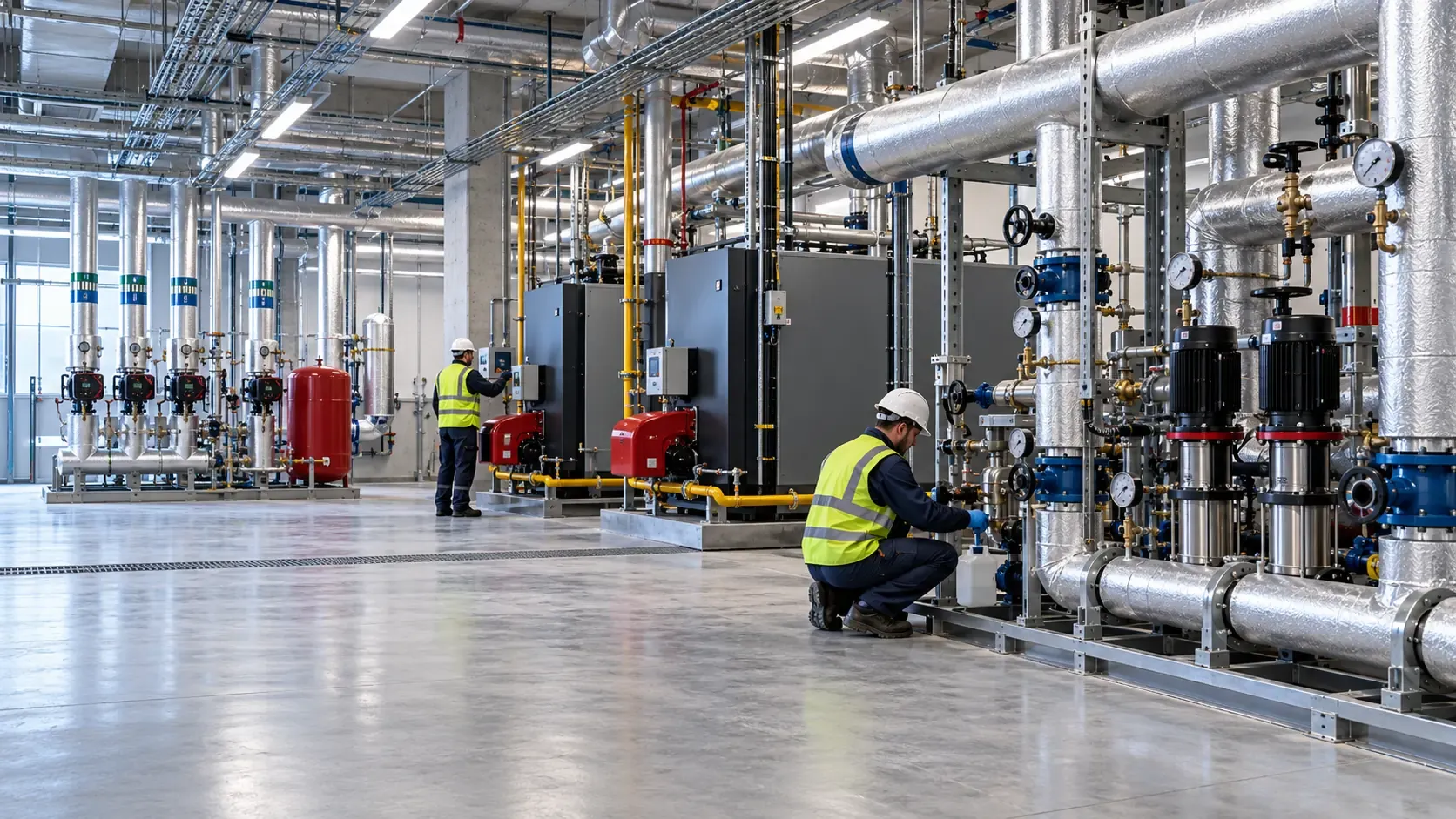
When sludge builds up in a commercial heating system the signs show quickly: radiators slow to heat, cold spots, noisy boilers, a building that won't warm up and energy bills that keep climbing. TMG Plumbing & Heating Services are plumbers and heating contractors with over 20 years' commercial experience. We use professional flushing, filtration and demineralising equipment to clear the build-up and protect the system, with minimal disruption to the people using the building.
The buildings we keep warm
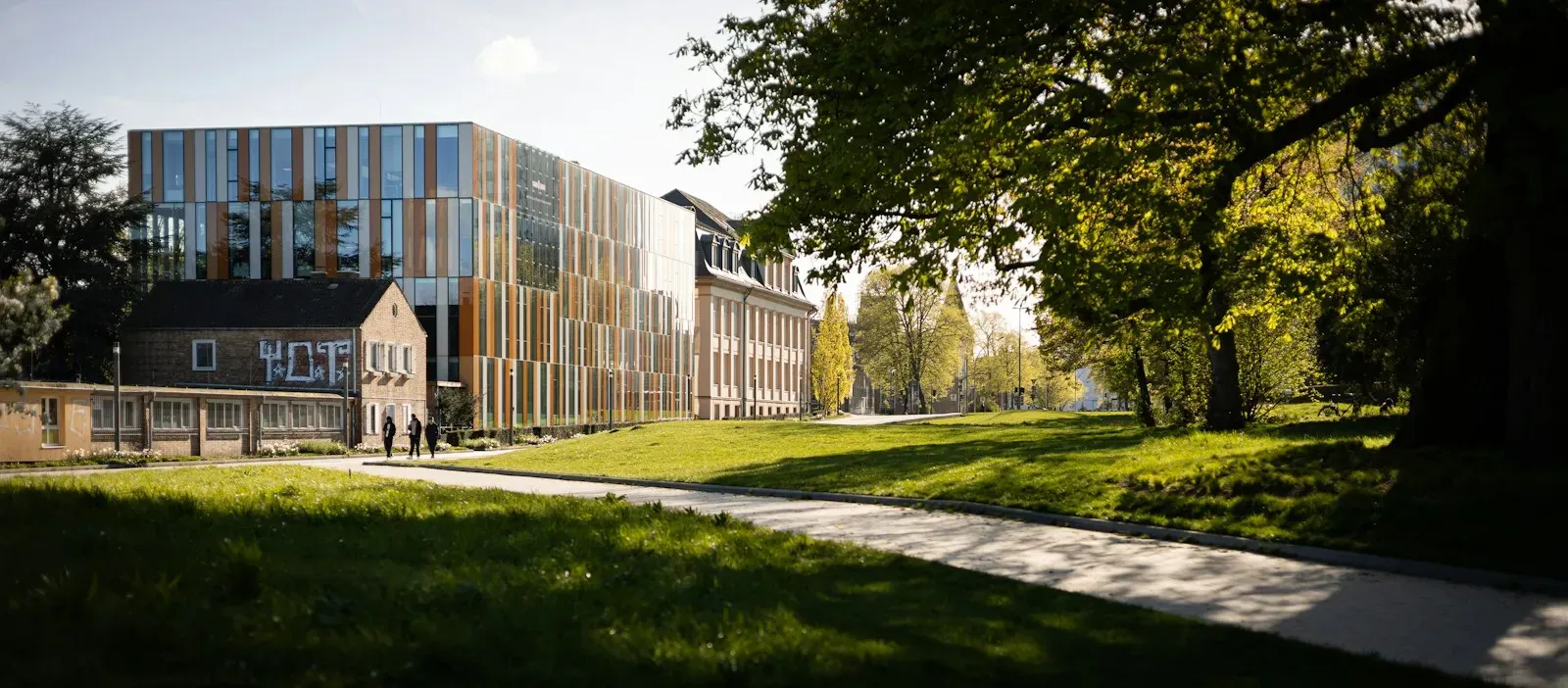
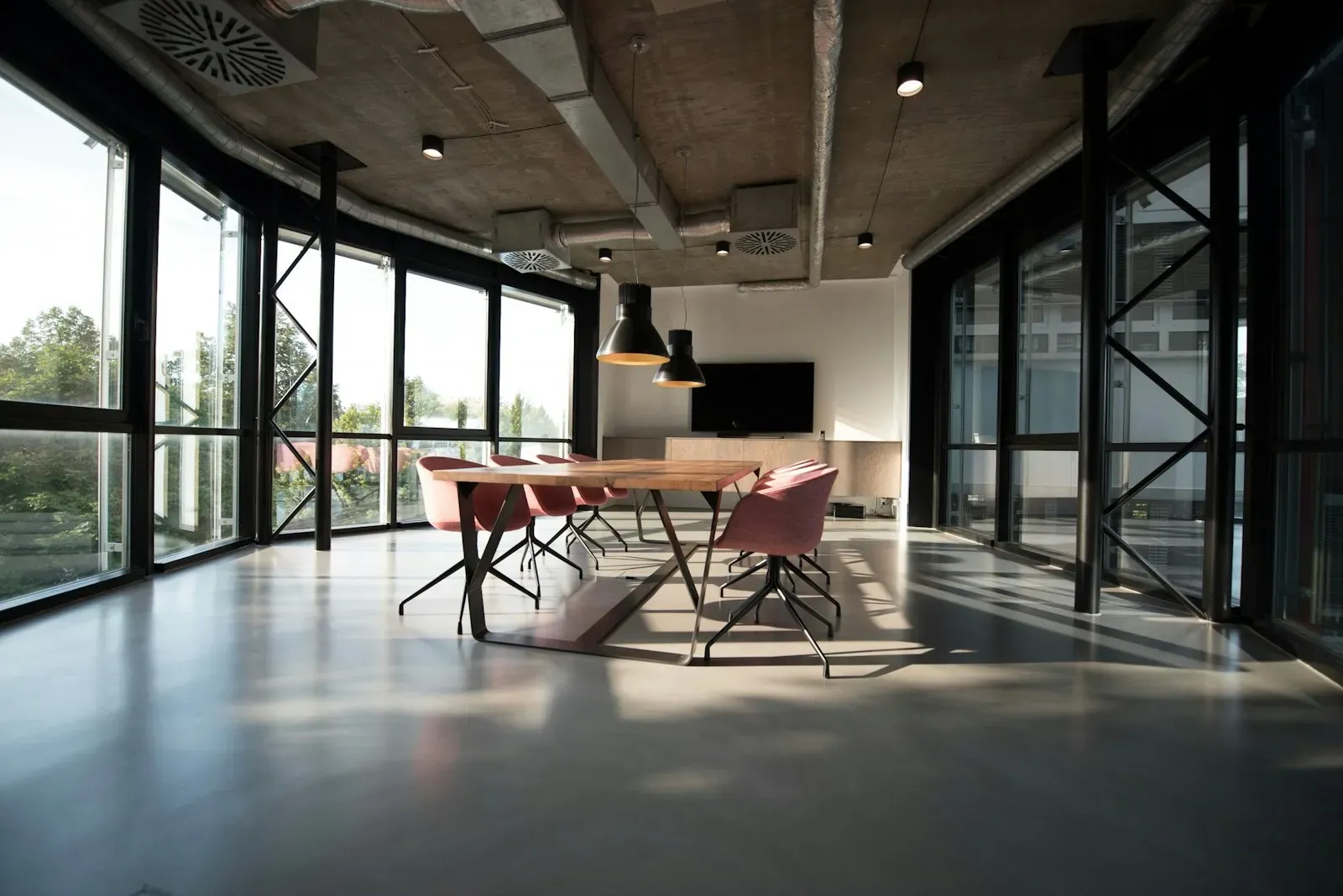
Whatever kind of building you run, nobody should have to work, learn, recover or stay in a cold room. We work across a wide range of commercial and public buildings, including schools and colleges, hotels and B&Bs, hospitals, offices, restaurants, cafés and bars, gyms and leisure centres, warehouses and industrial units, retail units, apartment complexes and public buildings.
We work quickly, keep the site tidy and plan around your occupants. Most of the cleaning is done while the system runs, so in most cases people won't even notice we are there.
Signs your commercial heating system needs a clean-out
- Some rooms roasting while others stay cold
- Radiators cold at the bottom but warm at the top
- Banging, rumbling or gurgling from the boiler
- The building takes a long time to warm up in the morning
- Energy bills rising, especially in winter
- A boiler or pump that keeps needing repairs
How we power flush commercial heating systems
- 1
System check-up
We look over boilers, pumps, pipework, radiators, fan coils and underfloor loops to see where sludge is gathering and what needs the most attention.
- 2
Water analysis
A sample of the system water shows pH, corrosion indicators and how badly the system has been affected over time.
- 3
System filtration
We remove built-up sludge and debris from pipes, radiators and underfloor heating. Most of the time there is no need to drain the system or use harsh chemicals.
- 4
Power flushing
Clean water is circulated at high speed but low pressure to lift out years of sludge, rust and grime without straining the pipework.
- 5
Magnetic filtration
As the sludge comes loose, magnetic filters capture the fine metal particles that would otherwise settle back and cause corrosion.
- 6
Demineralisation
The water is topped up and run through a demineraliser to remove dissolved minerals, reducing the risk of scale and corrosion.
- 7
Final check
With everything running clear, we check heat distribution, flow rates, boiler performance and radiator recovery times.
The benefits of commercial power flushing
Water treatment for commercial buildings
Flushing removes the build-up; treating the water stops it coming back. We demineralise commercial heating systems, install refill stations and Heating Water Regulators, and test the water every six months so it stays within manufacturer limits.
Frequently asked questions
Do you carry out commercial power flushing nationwide?
Yes. Our domestic work is focused on the South East, but we carry out commercial power flushing, demineralisation and water treatment anywhere in Ireland.
How much does commercial power flushing cost?
Commercial systems vary widely, so we price each one after a site survey, based on the plant, the number of circuits and radiators, and access. The quote is free and there is no obligation.
Can you work while the building is open?
Yes. Most of the cleaning is done through a bypass into our filtration unit while the system runs, and we plan the work around your occupants and timetable.
Do you flush underfloor heating and fan coil units?
Yes. We flush radiator systems, underfloor heating circuits, pipelines and fan coil units.
Download our guides
Free PDFs to read now or keep for later.
Further reading
Request a site survey or quote
Tell us about the site and the system. Only the starred fields are required; the rest help us scope the job.
We use your details only to reply to your enquiry and, if you go ahead, to carry out the work. We won't add you to a mailing list. See our privacy policy.