
Heating system water treatment and demineralisation
Water demineralisation for a warmer house, a boiler that lasts and heating bills you can help bring down.
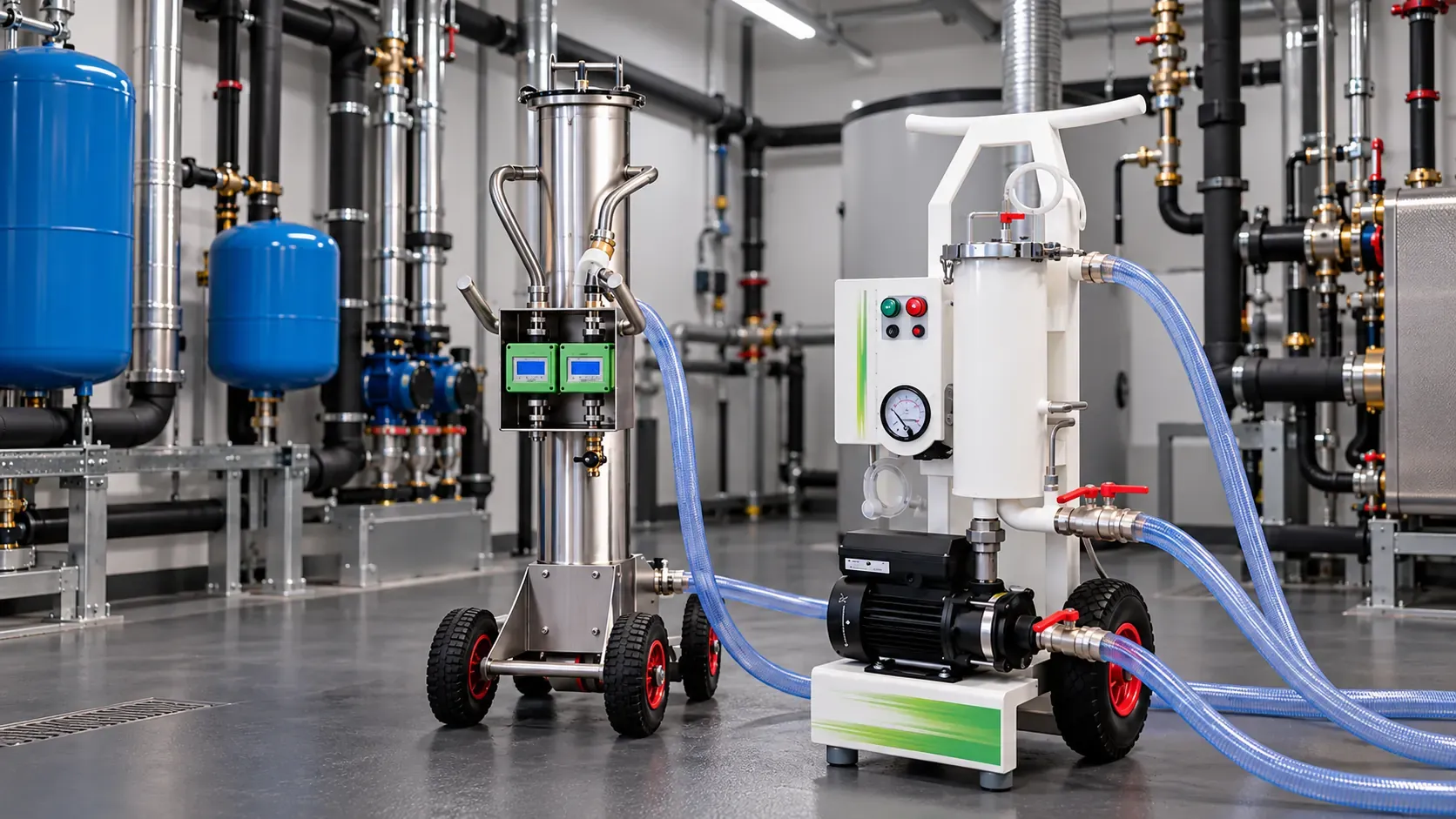
Modern boilers are incredibly efficient, but they have little tolerance for poor water quality. Poor system-water quality can reduce heat transfer, restrict flow and increase the load on pumps and boilers. TMG Plumbing & Heating Services provides professional heating water treatment and demineralisation for homes across Waterford and the South East.
Why demineralisation matters
Oxygen, dissolved solids, hard minerals and incorrect pH all contribute to corrosion and scale inside your boiler and radiators. Left untreated, water full of minerals creates a mix of scale, corrosion and sludge that leads to cold spots, blocked parts and breakdowns.
Demineralised water has those harmful minerals removed before they can cause problems, protecting the heating system from the inside out.
What demineralisation protects against
- Limescale coating the heat exchanger and choking pipework
- Corrosion of radiators, pumps and boiler components
- Sludge and magnetite causing cold spots
- Lost efficiency and higher heating bills
- Breakdowns at the worst possible moment
- Water that falls outside your boiler or heat pump manufacturer's requirements
Our 5-step process
- 1
Initial analysis
We test your heating water for conductivity, pH and total hardness. If the readings are outside the recommended limits, we recommend demineralisation.
- 2
Cleaning the system
On an existing system we remove sludge and magnetite first, circulating a cleaning agent or flushing until the water runs clear.
- 3
Power flushing
Each section of the heating system is power flushed individually, clearing remaining debris and preparing the system properly before refilling.
- 4
Demineralisation
We refill the system through professional demineralising equipment, removing minerals before the water enters your heating system.
- 5
Regulation and final testing
We test the water again to confirm it meets the correct standard. Checks every six months help maintain water quality and protect the system long term.
Benefits of demineralised heating water
Sludge removal without the mess
When we power flush and demineralise a system we use Cleaning In Place (CIP) technology: an internal deep clean that clears built-up sludge, scale and magnetite from the inside, without taking down radiators or making a mess in your home.
We remove the debris rather than just moving it around. That stops the same blockages returning a few months later and keeps your boiler and pipework protected for the long haul.
VDI 2035 and manufacturer requirements
We test and treat heating water with reference to VDI 2035 and the water-quality requirements specified by the equipment manufacturer. VDI 2035 is the German guideline for heating water, and many boiler and heat pump manufacturers base their own limits on it. Treated water helps meet those requirements and keeps the system running efficiently.
Frequently asked questions
What is demineralised water in a heating system?
It is water with the calcium, magnesium and other dissolved minerals removed, so it cannot form scale and is far less corrosive. It is produced on site using ion exchange resin as the system is filled.
Does my system need power flushing before demineralising?
Yes, for an existing system. Demineralised water only protects a clean system, so we remove sludge and magnetite first and then refill with treated water.
How often should the heating water be tested?
We recommend testing every six months. Regular checks confirm the water is still within the recommended limits and catch any problems early.
Is demineralisation a chemical treatment?
No. Demineralisation removes minerals from the water using resin, rather than adding chemicals to it, so no treatment chemicals are needed for that step. Depending on the system, we may still recommend an inhibitor or other treatment, and demineralisation doesn't remove sludge on its own, which is why it follows a flush.
Do I need demineralisation for a new boiler or heat pump?
It's the ideal time to do it. Many manufacturers set water-quality requirements for new boilers and heat pumps, often based on VDI 2035, and filling with treated water from the start helps meet them.
Download our guides
Free PDFs to read now or keep for later.
Further reading
Request a free quote
Fill in your details and we'll get back to you as soon as we can.
We use your details only to reply to your enquiry and, if you go ahead, to carry out the work. We won't add you to a mailing list. See our privacy policy.